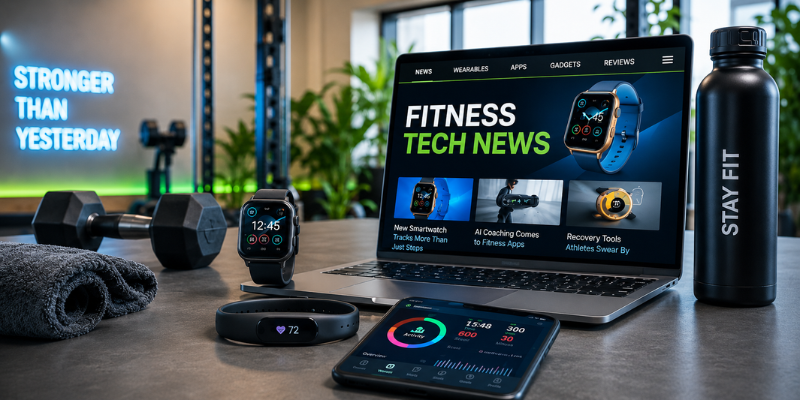

Fitness tech news is changing how people approach health, exercise, and overall wellness. From AI-powered workout coaches to smart wearables and advanced recovery tools, technology is making fitness more personalized than ever before. Whether you’re just beginning your fitness journey or you’re an experienced athlete, staying updated with the latest innovations can help you train smarter and achieve better results. In this article, we’ll explore the newest trends, devices, and breakthroughs shaping the future of fitness technology.
Why Fitness Tech News Matters Today
The demand for healthier lifestyles has increased significantly over the past few years. People want convenient ways to exercise, monitor progress, and receive personalized guidance without relying entirely on traditional gym environments.
Several factors are driving this growth:
- Better wearable technology
- AI-powered coaching
- Remote fitness programs
- Smart home gyms
- Health-focused mobile apps
- Advanced recovery tracking
Technology now delivers data that once required professional testing, making personal fitness more accessible than ever.
Fitness Tech News: Smart Wearables Leading the Industry
Wearable devices remain one of the biggest stories in fitness technology.
Modern smartwatches and fitness trackers do much more than count steps. They monitor heart rate, sleep quality, blood oxygen levels, stress, workout intensity, recovery, and even daily readiness scores.
Popular wearable features include:
- Continuous heart-rate monitoring
- GPS workout tracking
- Sleep analysis
- Recovery recommendations
- Stress monitoring
- Guided breathing exercises
A friend recently upgraded from a basic fitness tracker to a smartwatch with recovery insights. Instead of training hard every day, the recovery data helped schedule proper rest days. Within weeks, workout performance actually improved because the body had enough time to recover.
This highlights how modern fitness devices focus on overall wellness instead of simply recording exercise.
AI Innovations in Fitness Technology
Artificial intelligence is changing how workouts are created.
Instead of following generic exercise plans, AI fitness platforms analyze:
- Exercise history
- Performance trends
- Recovery status
- Fitness goals
- Available equipment
- Workout consistency
The result is a personalized training experience that adjusts automatically.
For example, if your sleep quality declines, an AI coaching app may recommend a lighter workout instead of an intense strength session.
This adaptive coaching makes training more sustainable and reduces the risk of burnout or injury.
Smart Home Gyms in Modern Fitness Technology
Home fitness equipment has evolved far beyond traditional treadmills and exercise bikes.
Today’s smart home gyms combine hardware with software to create interactive training experiences.
Features often include:
- Live instructor-led classes
- Motion tracking
- Automatic resistance adjustments
- Performance analytics
- Progress reports
- Virtual coaching
Many people appreciate the flexibility of exercising at home without sacrificing professional guidance.
For busy professionals balancing work and family, smart home gyms remove one of the biggest barriers to fitness—time.
Fitness Tech News on Recovery and Health Tracking
One of the biggest shifts in recent fitness tech news is the focus on recovery.
Years ago, fitness mainly emphasized pushing harder. Today, experts recognize that recovery is equally important for long-term progress.
Recovery technology includes:
- Smart rings
- Sleep tracking devices
- Massage guns
- Compression therapy devices
- Recovery monitoring apps
- Heart-rate variability tracking
Instead of guessing when your body is ready for another intense session, technology provides measurable recovery data.
This balanced approach helps reduce injuries while improving consistency.
Fitness Apps and Digital Fitness Trends
Fitness apps are no longer limited to counting calories or tracking workouts.
Many modern applications combine several wellness features into a single platform:
- Workout planning
- Meal tracking
- Meditation
- Water intake reminders
- Sleep monitoring
- Habit building
- Progress analytics
This integration allows users to understand how nutrition, sleep, exercise, and stress work together rather than treating each area separately.
A simple example is noticing that poor sleep often leads to weaker workouts and increased food cravings the next day.
These insights encourage healthier daily decisions.
The Future of Fitness Technology and Wearable Devices
Virtual reality workouts have become far more engaging than traditional exercise routines.
Instead of staring at a gym wall, users can:
- Box against virtual opponents
- Explore digital landscapes while cycling
- Dance through interactive games
- Complete immersive cardio challenges
Many people who previously found exercise boring report staying active longer because VR workouts feel more like entertainment than traditional exercise.
As hardware improves, mixed reality fitness experiences are expected to become even more realistic and motivating.
Data Privacy in Fitness Technology
As fitness technology collects more personal information, privacy has become an important conversation.
Modern devices often store:
- Health records
- Heart rate history
- Sleep data
- GPS locations
- Exercise routines
- Personal goals
Before purchasing any fitness device, users should review:
- Privacy settings
- Data sharing options
- Cloud storage policies
- Security features
Choosing trusted brands and regularly reviewing account permissions helps protect sensitive health information.
The Future of Fitness Tech News
The future of fitness technology appears incredibly exciting.
Industry experts expect continued improvements in:
- AI health assistants
- Predictive injury prevention
- Personalized nutrition recommendations
- Advanced recovery scoring
- Smarter wearable sensors
- Real-time coaching through augmented reality
Eventually, fitness devices may understand our bodies well enough to recommend not only workouts but also ideal meal timing, hydration needs, stress management strategies, and recovery routines—all in real time.
Rather than replacing human trainers, these technologies will likely enhance coaching by providing deeper insights and more accurate data.
Choosing the Right Fitness Technology for Your Goals
Before investing in the latest fitness gadgets, consider these practical guidelines:
- Identify your actual fitness goals first.
- Avoid paying for features you’ll never use.
- Prioritize battery life and comfort.
- Compare app subscription costs.
- Read long-term user reviews.
- Check compatibility with your smartphone.
- Focus on accuracy instead of flashy marketing.
Remember that no device can replace consistency, proper nutrition, and quality sleep.
Technology should support healthy habits—not become a distraction.
Frequently Asked Questions
What is fitness tech news?
Fitness tech news covers the latest updates, innovations, products, apps, wearables, and research related to technology used for exercise, health monitoring, and overall wellness.
Are fitness wearables accurate?
Modern fitness wearables are generally reliable for tracking trends such as heart rate, activity levels, and sleep. However, they may not always match medical-grade equipment, so their data should be viewed as helpful guidance rather than exact measurements.
Is AI fitness coaching effective?
Yes. AI fitness coaching can create personalized workout recommendations based on your progress, recovery, and goals. It works especially well for people who want flexible guidance outside traditional gym settings.
Do smart home gyms replace personal trainers?
For many users, smart home gyms provide excellent instruction and motivation. However, beginners with medical conditions or complex training needs may still benefit from working with a qualified personal trainer.
What should beginners buy first?
A comfortable fitness tracker or smartwatch is usually the best starting point. It helps monitor daily activity, workouts, sleep, and overall progress without requiring a significant investment.
Conclusion
Fitness technology continues to reshape how people exercise, recover, and monitor their health. From AI-powered coaching to advanced wearable devices, today’s innovations make personalized fitness more accessible than ever before. Staying informed through the latest fitness tech news helps you choose tools that truly support your goals. As technology advances, the smartest approach will always combine innovation with consistency, healthy habits, and long-term commitment.