
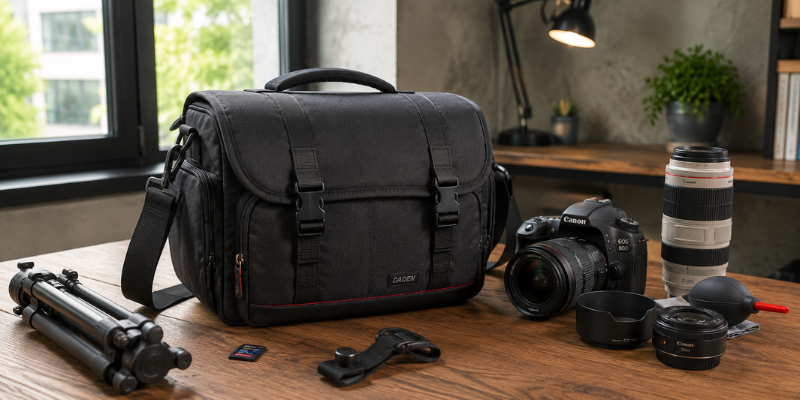

A camera is more than just a device—it captures memories, tells stories, and often represents a significant investment. Yet many photographers spend hours choosing the perfect camera while giving little thought to the bag that protects it. The right camera bag is just as important as the equipment inside.
Whether you’re a beginner with a single mirrorless camera or a professional carrying multiple lenses, a well-designed camera bag keeps your gear organized, secure, and ready for every adventure. This guide explores different types of camera bags, essential features, practical buying tips, and how to find the perfect option for your photography style.
Why a Camera Bag Matters
A camera bag is not simply a storage accessory. It acts as your first line of defense against dust, rain, accidental drops, and everyday wear.
Imagine hiking through a forest to capture sunrise landscapes. Without proper padding and weather protection, your expensive equipment is exposed to unnecessary risk. A quality camera bag gives you peace of mind while making it easier to carry everything comfortably.
Some major benefits include:
- Protects cameras and lenses from impact
- Organizes accessories neatly
- Reduces strain while traveling
- Keeps equipment accessible
- Shields gear from weather conditions
Investing in a reliable camera bag often costs far less than repairing damaged equipment.
Different Types of Camera Bags
Not every photographer has the same needs. Manufacturers now offer various designs for different shooting styles.
Backpack Camera Bags
These are ideal for travelers, wildlife photographers, and hikers.
Advantages include:
- Excellent weight distribution
- Large storage capacity
- Comfortable for long walks
- Space for laptops and tripods
Many modern backpacks also include hidden compartments for valuables.
Shoulder Camera Bags
Shoulder bags provide quick access without removing the bag.
Best suited for:
- Street photography
- Events
- Weddings
- Daily use
The downside is that carrying heavy equipment on one shoulder for long periods can become tiring.
Sling Camera Bags
Sling bags combine comfort with accessibility.
They rotate from your back to the front in seconds, allowing photographers to change lenses quickly without placing the bag on the ground.
Hard Camera Cases
Professionals who frequently travel by air often prefer hard cases.
These offer:
- Maximum protection
- Waterproof construction
- Crush resistance
- Secure locking systems
Although heavier, they are ideal for transporting expensive gear.
Camera Inserts
Some photographers already own backpacks they love.
Camera inserts provide padded compartments that transform an ordinary backpack into a protective camera bag.
Features Every Camera Bag Should Have
Choosing a camera bag involves more than selecting the right size.
High-Quality Padding
Thick internal padding protects delicate camera bodies and lenses from bumps.
Look for adjustable padded dividers that allow you to customize the interior.
Weather Resistance
Weather changes unexpectedly.
A good camera bag should include:
- Water-resistant fabric
- Waterproof zippers
- Rain cover
- Moisture-resistant lining
These features help protect expensive electronics.
Comfortable Straps
Long photography sessions become exhausting without ergonomic shoulder straps.
Padded back panels and breathable mesh improve comfort significantly.
Secure Compartments
Dedicated compartments help organize:
- Camera body
- Extra lenses
- Batteries
- Memory cards
- Chargers
- Filters
- Cleaning kits
Good organization saves valuable shooting time.
Tripod Attachment
Landscape photographers especially appreciate external tripod holders.
They keep your hands free while balancing weight effectively.
Choosing the Right Camera Bag for Your Photography Style
Your photography habits should guide your purchase.
Travel Photography
Travel photographers often prefer lightweight backpacks with airline-friendly dimensions.
Useful features include:
- Laptop compartment
- Passport pocket
- Anti-theft zippers
- Expandable storage
Wedding Photography
Wedding photographers carry multiple camera bodies and lenses.
A shoulder or rolling camera bag provides fast access during fast-paced events.
Wildlife Photography
Large telephoto lenses require spacious backpacks with reinforced support.
Extra comfort becomes essential during long hikes.
Street Photography
Minimalism works best.
A compact sling bag lets photographers move freely while remaining discreet.
Studio Photography
Studio photographers usually transport equipment short distances.
Larger rolling bags simplify carrying lights, lenses, and accessories.
How Much Space Do You Really Need?
Many buyers purchase oversized bags they never fully use.
Instead, make a checklist of your equipment.
For example:
- Camera body
- Two or three lenses
- Flash
- Batteries
- Memory cards
- Cleaning cloth
- Charger
Choose a camera bag that offers slightly more room than your current kit, leaving space for future upgrades without becoming unnecessarily bulky.
Practical Tips for Maintaining Your Camera Bag
Even premium camera bags require proper care.
Simple maintenance extends their lifespan considerably.
Helpful habits include:
- Clean dust regularly with a soft brush.
- Remove dirt using a damp microfiber cloth.
- Avoid overloading compartments.
- Dry the bag naturally after rain exposure.
- Check zippers and buckles periodically.
A clean bag also prevents dust from reaching sensitive camera sensors.
Common Mistakes When Buying a Camera Bag
Many photographers regret their first purchase because they focus only on appearance.
Avoid these common mistakes:
- Buying a bag that’s too small
- Ignoring comfort
- Choosing style over protection
- Forgetting future equipment upgrades
- Overlooking waterproof features
- Purchasing poor-quality zippers
A stylish bag looks great, but functionality should always come first.
Is an Expensive Camera Bag Worth It?
Not necessarily.
Higher prices often reflect:
- Premium materials
- Better stitching
- Improved weather protection
- Longer warranties
- Enhanced comfort
However, many mid-range camera bags deliver outstanding value.
Rather than chasing luxury brands, focus on quality construction and features that genuinely match your needs.
Tips Before Buying Online
Shopping online offers more variety but requires careful evaluation.
Before purchasing:
- Read verified customer reviews.
- Check internal dimensions—not just external size.
- Confirm compatibility with your camera model.
- Compare warranty coverage.
- Look closely at real customer photos.
- Understand the return policy.
Spending ten extra minutes researching can prevent an expensive mistake.
Frequently Asked Questions
What size camera bag should I buy?
Choose a bag that comfortably fits your current equipment while leaving some room for future accessories. Avoid oversized bags unless you regularly carry multiple lenses and accessories.
Are waterproof camera bags completely waterproof?
Most camera bags are water-resistant rather than fully waterproof. For heavy rain, use the included rain cover or choose a waterproof hard case for maximum protection.
Can I carry a laptop inside a camera bag?
Many modern camera backpacks include padded laptop compartments designed for devices ranging from 13 to 17 inches. Always verify the laptop compartment size before buying.
Which camera bag is best for beginners?
A compact shoulder bag or sling bag is usually the best choice for beginners because it provides enough storage for a camera, one or two lenses, and essential accessories without unnecessary bulk.
How long does a quality camera bag last?
With proper care, a well-made camera bag can easily last five to ten years or even longer. Regular cleaning and avoiding excessive weight help extend its lifespan.
Conclusion
Investing in reliable protective gear is one of the smartest decisions any photographer can make. It helps keep expensive equipment safe, improves organization, enhances carrying comfort, and makes every photography session more efficient. Choosing a solution that matches your shooting style, storage requirements, and travel habits allows you to focus on capturing great images with confidence. The ideal option is not necessarily the most expensive one—it is the one that offers the right balance of protection, functionality, and convenience for your equipment.