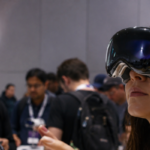


Global teaching labs are transforming the way educators and students experience learning in an increasingly connected world. Instead of relying solely on traditional classroom methods, these collaborative learning environments encourage innovation, international partnerships, and technology-driven education. As schools and universities seek better ways to prepare learners for future careers, global teaching labs have become an essential part of modern education. This article explores what global teaching labs are, their benefits, real-world applications, challenges, and why they are shaping the future of learning.
Understanding Global Teaching Labs
Global teaching labs are collaborative educational environments where educators from different countries, institutions, and disciplines work together to develop, test, and improve teaching practices. Unlike traditional classrooms, these labs focus on experimentation, innovation, and continuous improvement.
Rather than following rigid teaching models, global teaching labs encourage educators to explore new approaches based on student needs, cultural diversity, and emerging technologies.
Key characteristics include:
- International collaboration among educators
- Student-centered learning approaches
- Research-driven teaching methods
- Technology-enhanced classrooms
- Continuous assessment and improvement
These learning spaces often connect schools, universities, educational organizations, and industry professionals to solve real educational challenges.
Why Global Teaching Labs Matter
Modern education requires more than textbooks and lectures. Students need critical thinking, creativity, communication, and collaboration skills to succeed in today’s interconnected world.
Global teaching labs help bridge the gap between theory and practice by allowing educators to experiment with innovative teaching strategies before implementing them on a larger scale.
Some major benefits include:
- Better student engagement
- Improved teaching quality
- Cross-cultural understanding
- Faster adoption of educational technology
- Stronger collaboration between institutions
For example, a science teacher in Canada may collaborate with educators in Japan and Kenya to develop an interactive climate change project. Students not only learn scientific concepts but also gain valuable perspectives from different regions of the world.
Technology Driving Global Teaching Labs
Technology is the foundation that makes global teaching labs possible. Digital tools remove geographical barriers and enable educators to collaborate in real time.
Several technologies play a significant role.
Virtual Classrooms
Video conferencing platforms allow students and teachers from multiple countries to participate in shared learning experiences.
Instead of simply listening to lectures, students interact with peers across continents, exchange ideas, and participate in collaborative projects.
Artificial Intelligence
AI-powered educational tools help personalize learning by identifying student strengths, weaknesses, and preferred learning styles.
Teachers can receive instant insights into classroom performance and adjust their teaching strategies accordingly.
Cloud-Based Collaboration
Cloud platforms make lesson planning, resource sharing, and collaborative research easier than ever.
Educators can co-create learning materials, update lesson plans, and monitor student progress from anywhere.
Virtual and Augmented Reality
Immersive technologies allow students to explore historical landmarks, conduct virtual science experiments, or examine complex engineering models without leaving their classrooms.
These experiences make learning more memorable and engaging.
Real-World Applications Across Different Subjects
Global teaching labs are not limited to one academic field. They support innovation across nearly every subject.
Science Education
Students collaborate on environmental monitoring projects using shared data collected from different countries.
This approach helps learners understand global scientific challenges while developing research skills.
Medical Education
Medical schools use global teaching labs to simulate patient care scenarios with experts from different healthcare systems.
Students gain exposure to international medical practices and improve clinical decision-making.
Engineering and Technology
Engineering students work with international teams to design sustainable solutions for energy, transportation, and infrastructure.
These collaborative projects closely resemble real-world engineering environments.
Language Learning
Instead of practicing with scripted dialogues, language learners communicate directly with native speakers through international classroom partnerships.
This creates authentic communication experiences that improve fluency and cultural understanding.
Challenges and Practical Solutions
Although global teaching labs offer significant advantages, implementing them successfully requires careful planning.
Technology Access
Not every school has equal access to reliable internet or modern digital devices.
Possible solutions include:
- Low-bandwidth learning platforms
- Mobile-friendly educational tools
- Government and nonprofit funding initiatives
Teacher Training
Introducing innovative teaching methods requires ongoing professional development.
Successful institutions invest in workshops, mentoring programs, and peer collaboration to help educators adapt confidently.
Cultural Differences
Students and educators come from diverse cultural backgrounds with different communication styles and educational expectations.
Open communication, mutual respect, and inclusive teaching practices help create productive international learning environments.
Data Privacy
International collaboration often involves sharing educational data across borders.
Strong cybersecurity measures and compliance with privacy regulations ensure student information remains protected.
Best Practices for Building Successful Global Teaching Labs
Organizations that achieve long-term success typically follow several proven strategies.
Establish clear learning goals before launching collaborative projects.
Encourage active participation rather than passive observation.
Use reliable digital platforms that support communication, document sharing, and project management.
Collect regular feedback from students and educators to improve future programs.
Celebrate cultural diversity by incorporating different perspectives into classroom discussions and project activities.
Most importantly, treat experimentation as a learning opportunity rather than fearing occasional setbacks.
The Future of Global Teaching Labs
The future of education will likely become even more collaborative, personalized, and technology-driven.
Artificial intelligence, learning analytics, virtual reality, and global partnerships will continue expanding opportunities for educators and students alike.
Universities are increasingly partnering with schools, research institutions, nonprofit organizations, and private companies to create innovative learning ecosystems that extend beyond traditional classrooms.
As remote learning technologies become more accessible, even smaller schools will have opportunities to participate in international educational collaborations.
Global teaching labs are expected to become central hubs for educational innovation, helping institutions prepare students for careers that require adaptability, creativity, and lifelong learning.
Frequently Asked Questions
What are global teaching labs?
These labs encourage continuous learning and experimentation by bringing together diverse perspectives from around the world. They support the development of new teaching models that are more inclusive, interactive, and technology-driven. By working collaboratively, participants can test ideas in real-time, refine their approaches, and implement solutions that improve educational quality on a global scale.
How do global teaching labs improve student learning?
They encourage active learning, international collaboration, project-based education, and technology integration. Students develop practical skills such as communication, critical thinking, teamwork, and problem-solving alongside academic knowledge.
Which technologies are commonly used in global teaching labs?
Common technologies include virtual classrooms, cloud collaboration platforms, artificial intelligence, learning management systems, virtual reality, augmented reality, and digital assessment tools that support interactive and personalized learning.
Can schools with limited budgets participate in global teaching labs?
Yes. Many institutions begin with free or affordable online collaboration tools, virtual meetings, and partnerships with other schools. Grants, educational organizations, and nonprofit initiatives also help expand access to innovative learning opportunities.
Why are global teaching labs important for the future of education?
They prepare students for an increasingly interconnected world by promoting international collaboration, digital literacy, innovation, and real-world problem-solving. These experiences help learners develop the skills required for future careers and lifelong learning.
Conclusion
They represent a powerful shift toward more collaborative, innovative, and student-focused education. By combining technology, international partnerships, and evidence-based teaching practices, they create learning experiences that extend far beyond traditional classrooms. As education continues to evolve, these collaborative environments will play an increasingly important role in preparing students for global opportunities. Institutions that embrace this approach today will be better equipped to educate the adaptable, creative, and skilled learners of tomorrow.